Senior Rides to Medical Appointments: Your Essential Guide

Key Highlights

Introduction

Getting to medical appointments is essential for staying healthy, but it can become a challenge for many older adults who no longer drive. Fortunately, you don't have to miss a crucial checkup due to a lack of transportation. A wide variety of transportation services exist specifically to help seniors get to their doctor’s visits safely and on time. This guide will walk you through the available options, from free community programs to insurance-covered rides, ensuring you can access the medical care you need.

Understanding Senior Transportation Needs for Medical Appointments

For many older adults, maintaining independence is a top priority, and transportation is a massive part of that. Next to health, access to reliable rides is one of the most critical issues for seniors. The ability to get to a doctor's appointment, pick up a prescription, or attend a therapy session is vital for managing your overall health. Without dependable transportation options, older adults risk missing crucial medical care, which can lead to worsening health conditions and feelings of isolation.

Recognizing this need, many communities and organizations have developed services to address these challenges. These programs consider the specific needs of seniors, such as mobility issues or living in areas with limited public transit. Whether you need help getting from your door to the car or require a vehicle that can accommodate a wheelchair, there are transportation solutions designed to support your journey to your next doctor’s appointment. Let's explore some of the common hurdles seniors face.

Barriers Seniors Face Getting to Doctor’s Visits

One of the most significant barriers for older adults is limited mobility. Functional difficulties can make walking to a bus stop or even getting into a standard car a considerable challenge. Many seniors stop driving due to these physical limitations, leaving them dependent on others.

Public transportation isn't always a viable solution. In many rural areas and small towns, public transit is scarce or lacks a service area that includes medical facilities. Even in cities, navigating complex bus or train schedules can be difficult, and the system may not be fully accessible for those with disabilities.

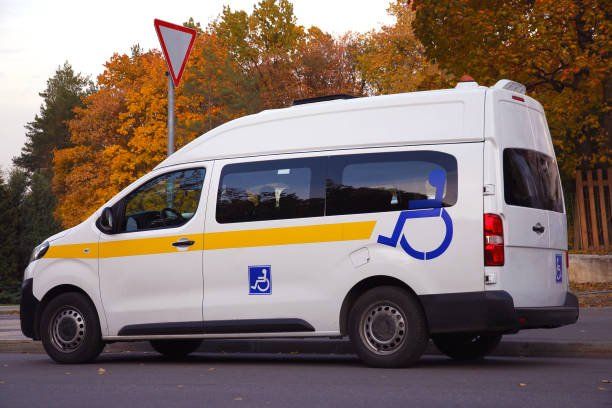
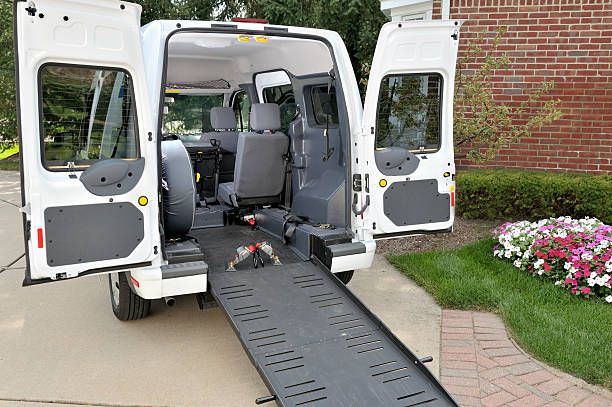
To address this, the Americans with Disabilities Act (ADA) helps ensure options are available. Specialized services, such as door-through-door transportation, provide drivers who offer personal assistance, helping you from your home into the vehicle and to your destination. These services are designed for those who cannot use regular public transportation.

Main Types of Medical Transportation Services for Seniors

When you need a ride for a medical reason, a few main types of transportation services are available. These options range from publicly funded systems to private companies, each catering to different needs and circumstances. Understanding the variety of choices can help you find the right fit for your situation.

Your transportation program options generally fall into a few categories. These include public transportation systems, specialized paratransit services for those with disabilities, and private companies offering more personalized assistance. Many of these are specifically designed for medical trips, ensuring you arrive on time. Now, we can examine some of these options more closely.

Public Transit and Paratransit Options

Public transit systems are often a viable option for seniors seeking reliable transportation to medical appointments. Various forms of public transportation, such as buses and subways, are designed to accommodate older adults, promoting independence while addressing mobility challenges. Many urban areas have specific routes that include stops at medical facilities, making it easier for seniors to access healthcare services.

Paratransit services complement regular public transit by offering door-to-door transportation tailored to individuals with limited mobility. Generally available through local transportation providers, these services require advance booking and may have age- or disability-based eligibility requirements. Utilizing volunteer transportation programs also enhances access, ensuring that seniors receive the vital services they need to maintain their overall health and well-being.

Free and Low-Cost Transportation Programs

Worried about the cost of getting to your appointments? You’ll be glad to know that many free rides and low-cost transportation programs are available. Local organizations often run these services and rely on networks of volunteer drivers who want to help their community members.

These transportation providers understand that many seniors live on a fixed income, so they aim to make their available services as affordable as possible. By connecting with local faith-based groups, nonprofits, and your Area Agency on Aging, you can find a program that fits your budget and your needs.

State and Federal Assistance Options

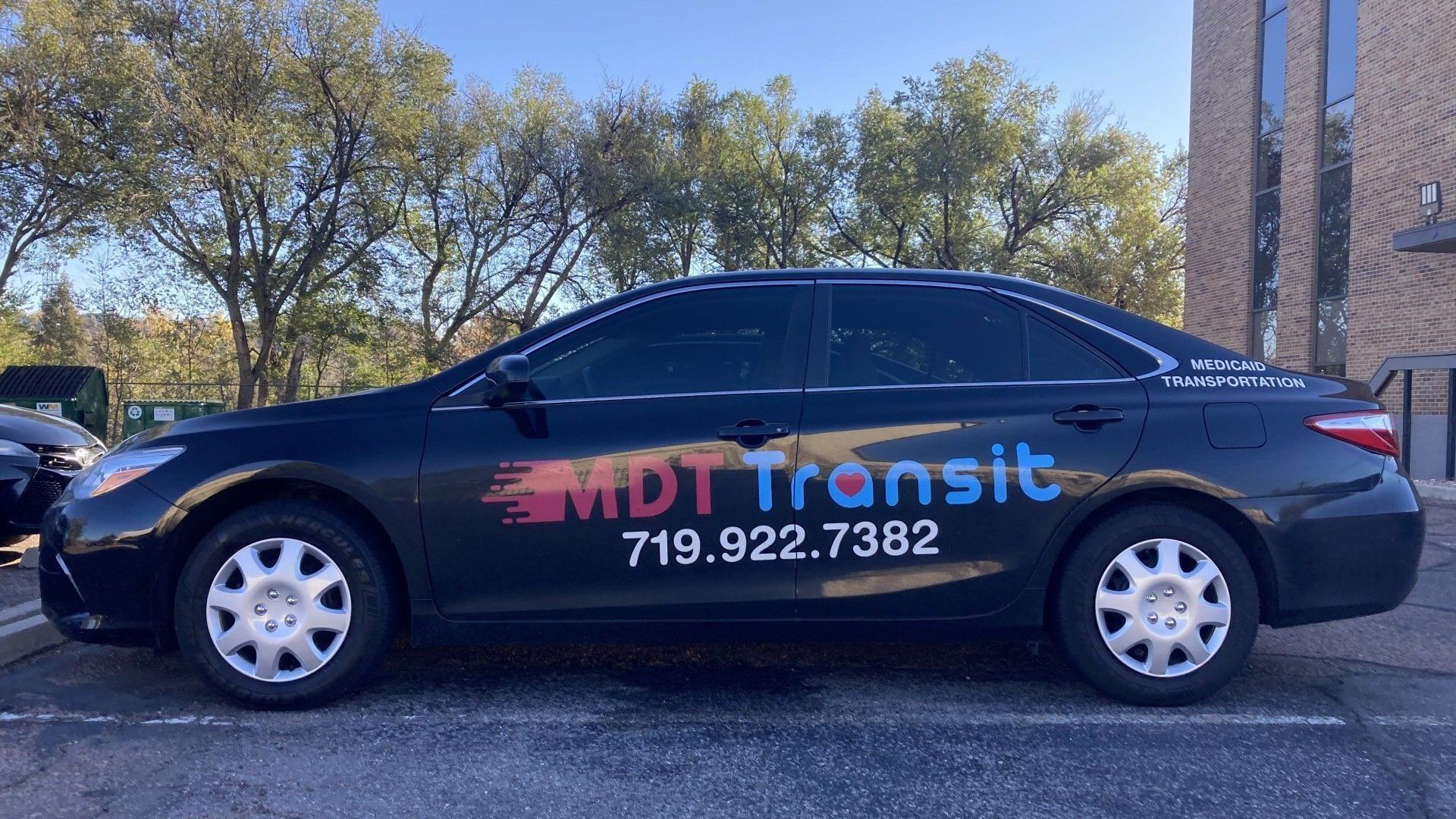
Various state and federal assistance programs aim to alleviate transportation barriers for senior citizens seeking vital medical care. These initiatives can connect older adults with transportation services tailored to meet their specific needs, often funded through grants and government allocations. For instance, Medicaid's Non-Emergency Medical Transportation (NEMT) provides eligible seniors with reliable transportation to doctors’ appointments, helping them maintain their overall health.

Additionally, local organizations often collaborate with regional agencies to enhance available services. Seniors can benefit from volunteer transportation programs that provide rides from community members, creating essential connections not only for medical visits but also for social activities. Exploring these options can significantly improve mobility for seniors while accounting for their limited resources and mobility challenges.

Medicare, Medicaid, and Insurance Coverage for Senior Rides

Your health insurance may be another key to unlocking transportation benefits. While standard Medicare has limited coverage for routine trips, many Medicare Advantage Plans offer extra perks, including a medical transportation program. It's always worth calling your provider to see what your specific plan covers.

On the other hand, the Medicaid program generally offers much more comprehensive coverage for rides to medical appointments. For older adults who qualify for both Medicare and Medicaid, understanding what each program offers is crucial to maximizing their benefits and ensuring reliable transportation.

Understanding Medicaid Non-Emergency Medical Transportation (NEMT)

What is non-emergency medical transportation (NEMT)? It is a critical Medicaid benefit that helps ensure you can get to your routine medical appointments. Unlike ambulance services for emergencies, NEMT covers scheduled trips to a doctor's office, clinic, pharmacy, or other healthcare provider when you have no other way to get there.

This service is a lifeline for many seniors, providing a reliable way to access necessary care without worrying about the cost or the logistics of transportation. Medicaid's NEMT program provides more comprehensive coverage for routine medical transportation than Medicare, making it an excellent resource for those who qualify.

These transportation services are designed to be practical and accessible. Depending on your state's program, NEMT can include rides in taxis, vans, or even through rideshare services, ensuring you have a safe and timely way to manage your health.

How to Schedule a Ride to Medical Appointments

Once you've identified a transportation service that works for you, the next step is to schedule a ride. The process is usually straightforward, but it almost always requires planning. Most transportation services require you to book your ride in advance, so it’s best to call as soon as you have your appointment details.

To get started, you'll need the contact information for the local agencies or programs you plan to use. Your local Area Agency on Aging is a great starting point, as they can direct you to the right providers in your community.

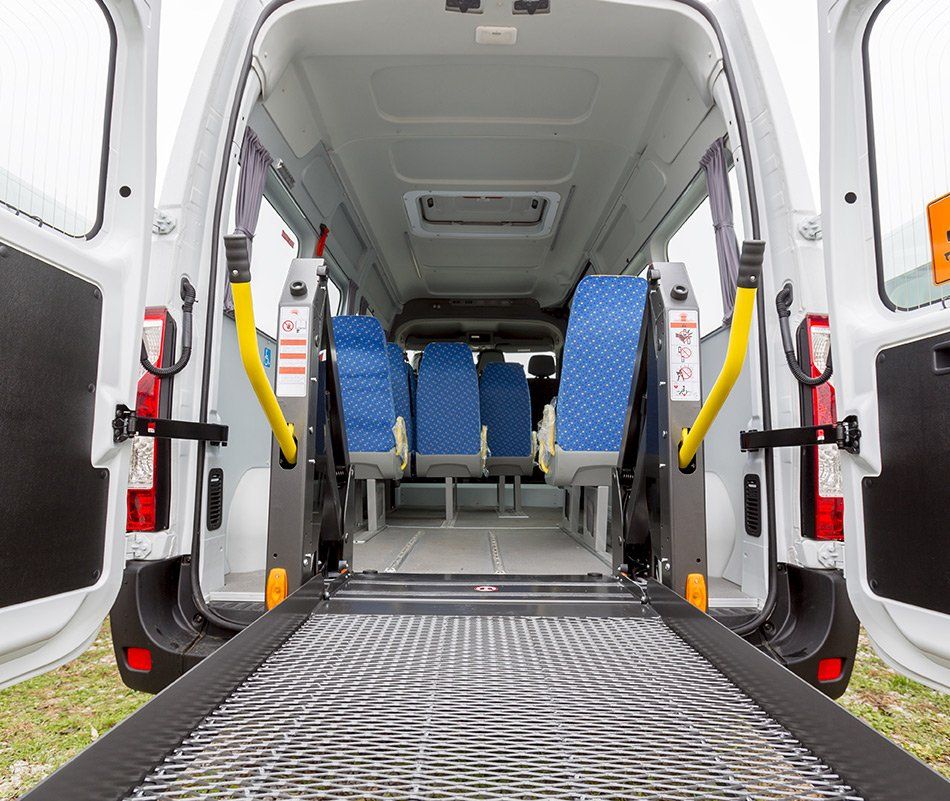
senior rides to medical appointments

Navigating the process of booking rides through local programs and apps can significantly improve seniors' access to vital medical appointments. First, identifying local organizations that offer specialized senior transportation services is essential. Many regions offer volunteer or medical transportation programs for older adults. After pinpointing these services, prospective riders should assess the eligibility requirements to ensure they qualify for assistance.

Next, familiarizing oneself with specific apps can streamline the booking process. Most transportation providers enable users to schedule rides through intuitive interfaces, requiring only basic information such as the desired pickup location and contact information. Additionally, maintaining a record of transportation options, including transportation program contact details and driver’s license numbers, prepares users for seamless ride coordination, making health-related trips less stressful.

Conclusion

In conclusion, ensuring seniors have reliable transportation to medical appointments is essential for maintaining their health and well-being. By understanding the challenges they face and exploring available transportation options, caregivers and family members can provide crucial support. Whether it's utilizing public transit, enrolling in low-cost programs, or understanding insurance coverage, there are multiple avenues to ensure seniors reach their medical appointments safely and on time. Prioritizing these transportation needs not only enhances access to healthcare but also promotes independence and peace of mind for both seniors and their loved ones. If you're ready to explore the best transportation solutions for your needs, don't hesitate to reach out for assistance.

Frequently Asked Questions

Who qualifies for senior transportation to medical appointments?

Eligibility requirements for senior transportation vary by program. Generally, qualification is based on factors such as age 60 or older, income level, disability status, or Medicaid enrollment. Contact your local Area Agency on Aging to learn about the specific transportation options available to you for medical appointments.

Are there door-to-door ride services for seniors with mobility challenges?

Yes, many transportation providers offer door-to-door ride services specifically for older adults with mobility challenges. Paratransit services and private medical transportation companies often provide drivers who can assist you from your home to the vehicle and to your destination, ensuring you travel safely and comfortably.

How far in advance should seniors arrange transportation for medical visits?

It’s best to schedule a ride as soon as you book your medical visits. Most transportation program providers require at least 24 to 48 hours' notice. However, some popular services fill up quickly, so booking a week or more in advance is a good idea to secure your spot.

https://www.youtube.com/watch

https://www.youtube.com/user/nyfscinc

https://www.dmv.pa.gov/Information-Centers/Business-Partner/Pages/Parking-Placards.aspx

https://www.instagram.com/nyfsc_/
https://www.google.com/maps/d/u/0/viewer

https://www.google.com/maps/dir/

MDT Car
Loved Ones